NFL Rule Changes in 2026: What Fans Need to Know
NFL Rule Changes in 2026: What Fans Need to Know
The National Football League (NFL) is always evolving. Every offseason, the league’s Competition Committee reviews game data, player safety reports, and fan feedback to adjust rules in ways that improve fairness, entertainment value, and safety. As the 2026 season approaches, several important rule updates and ongoing discussions are shaping how the game will look, how it will be officiated, and even how strategy will evolve.
For fans, these changes can feel subtle at first—but they often have a major impact on scoring, pacing, and even playoff outcomes. This breakdown explains the most important rule changes, why they matter, and how they could reshape football in 2026.
—
1. Continued Evolution of Kickoff Rules
One of the most significant ongoing transformations in modern football is the kickoff format. In recent seasons, the NFL has experimented heavily with changes designed to reduce high-speed collisions while keeping kickoffs exciting and return-friendly.
By 2026, the league has continued refining this system rather than returning to the traditional setup.
Key ideas behind the updated kickoff format:
Players on coverage and return teams line up closer together to reduce sprint distance.
The ball is designed to land in more “returnable” zones to encourage more action.
Fair catch and touchback rules have been adjusted to discourage automatic touchbacks.
Why this matters:
Kickoffs were once among the most dangerous plays in football due to high-speed impacts. However, completely eliminating returns also reduced excitement. The 2026 adjustments aim to strike a balance: fewer injuries without removing the explosive kickoff return plays fans love.
Expect more returns, more strategic kicking decisions, and more emphasis on special teams coaching.
—
2. Replay Assist Expansion
Another major change involves the expanded use of replay technology.
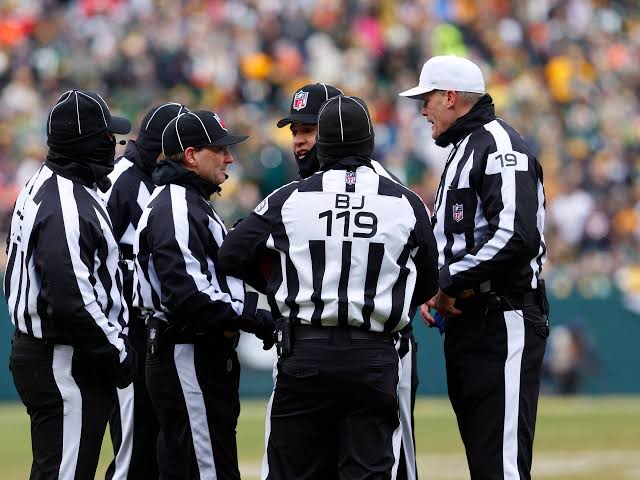
In 2026, the NFL continues increasing the authority of “replay assist,” which allows officials in the booth to correct obvious errors without requiring a full coach’s challenge.
What’s new:
More “clear and obvious” penalties can be corrected automatically.
Spot of the ball on key plays (first downs, goal line, sideline rulings) is more frequently reviewed.
Certain penalty enforcement errors can be corrected post-play review.
Impact on the game:
This reduces controversial missed calls and speeds up decision-making. However, critics argue it also takes some spontaneity out of the game.
For fans, the result is fewer “how did they miss that?” moments—but also more interruptions as officials review borderline plays.
—
3. Overtime Format Refinement
Overtime rules have been one of the most debated topics in football for years. The league has continued refining its postseason and regular-season overtime structure to improve fairness.
By 2026, the emphasis is on ensuring both teams get meaningful possession opportunities, especially in playoff games.
Key updates include:
In postseason games, both teams are guaranteed at least one possession unless the first possession results in a defensive touchdown or safety.
Regular-season overtime continues to prioritize game flow but with stricter time management rules.
Teams are encouraged to make faster overtime decisions to reduce delays.
Why it matters:
Previously, teams winning the coin toss had a significant advantage. The newer structure attempts to reduce that imbalance while still preserving sudden-death excitement.
Expect overtime games to feel more balanced and strategic.
—
4. Stricter Emphasis on Player Safety Rules
Player safety remains one of the NFL’s top priorities. Over the past decade, rule changes have focused heavily on reducing head injuries and dangerous tackling techniques.
In 2026, enforcement becomes even stricter in key areas:
Focus areas:
Continued crackdown on high-impact hits to the head and neck area.
Stronger enforcement of illegal tackling techniques, including low-roll and hip-drop style tackles.
Increased penalties for late hits on quarterbacks and defenseless receivers.
What players must adjust to:
Defensive players are being coached to tackle more with “wrap-and-release” techniques rather than driving opponents to the ground with full body weight.
Fan perspective:
While some fans feel these rules soften the game, the league argues they are essential for long-term player health and career longevity.
The result is a game that is slightly less brutal, but more technically precise.
—
5. Expanded Use of Technology in Officiating
Technology is becoming more deeply embedded in NFL officiating decisions.
By 2026, the league is experimenting with semi-automated systems in certain areas of the game.
Examples include:
Enhanced tracking systems to determine first downs with higher precision.
Advanced camera angles used for sideline and end zone rulings.
AI-assisted spotting tools that help officials identify ball position more quickly.
Important note:
Human referees still make final decisions, but technology now acts as a supporting system rather than just a review tool.
Why it matters:
The goal is to reduce human error while maintaining the human judgment aspect that defines football officiating.
—
6. Offensive Holding and Pass Interference Clarifications
One of the most controversial areas in football remains penalty interpretation—especially offensive holding and defensive pass interference.
In 2026, the NFL has worked to standardize interpretations to reduce inconsistency.
Key clarifications:
Offensive holding is now more clearly defined with emphasis on “restriction of movement” rather than incidental contact.
Defensive pass interference is more strictly limited to significant arm or body obstruction during catch attempts.
Minor contact earlier in routes is less likely to be flagged.
Impact:
This leads to more consistent officiating across games and reduces confusion for players, coaches, and fans.
Offenses may benefit from more freedom in route-running, while defenses must adjust technique to avoid penalties.
—
7. Pre-Snap Motion and Offensive Flexibility
Modern NFL offenses are becoming more dynamic, with motion and shifting formations playing a larger role than ever.
In 2026, rule clarifications allow even greater pre-snap movement flexibility:
What’s allowed:
Multiple players can shift simultaneously before the snap, as long as they reset correctly.
Motion timing rules are clarified to avoid illegal motion penalties caused by ambiguous movement.
Quarterbacks have more flexibility in orchestrating pre-snap shifts without delay penalties.
Why this matters:
This change benefits modern offensive schemes that rely on misdirection, speed, and matchup creation.
Expect more creative offenses, faster tempo, and increased scoring potential.
—
8. Touchback and Field Position Strategy Changes
The league continues to adjust touchback rules to influence return strategy and field position balance.
Key updates:
Touchbacks may place the ball at a slightly more aggressive starting yard line than in previous seasons (depending on kickoff outcome rules).
Return teams are incentivized to bring the ball out more often.
Kickers must weigh risk versus reward more carefully.
Strategic effect:
Field position becomes even more important, and special teams coordinators gain greater influence over game outcomes.
—
9. Expanded Instant Replay Challenges for Coaches
Coaches now have slightly more flexibility in challenging plays.
New adjustments:
Expanded categories of reviewable plays, including certain boundary rulings and possession changes.
Improved challenge system transparency for fans and broadcast audiences.
Faster review resolution targets to reduce game delays.
Limitation:
Teams still have a limited number of challenges, so decision-making remains strategic.
10. Impact on Game Strategy in 2026
All of these rule changes combine to reshape how teams approach the game.
Offensive trends:
Faster tempo offenses gain more advantage.
Motion-heavy systems become more effective.
Quarterbacks are protected slightly more, encouraging deeper passing games.
Defensive adjustments:
Emphasis on clean tackling technique.
More zone coverage to reduce penalty risk.
Increased focus on speed rather than physical dominance.
Special teams evolution:
Kick return units become more valuable again.
Field position battles become more strategic.
—
11. What Fans Will Notice First
For casual viewers, the most visible changes in 2026 will likely include:
More kickoff returns and special teams action
Fewer controversial officiating errors
Faster-paced offensive drives
Slightly fewer brutal collision plays
More consistent penalty calls
Games may feel smoother and more structured, but also slightly different from traditional “old-school” football.
—
12. Controversy and Debate Around the Changes
Not all fans and analysts agree with the direction of the league.
Common criticisms:
The game is becoming “over-managed” by rules and technology
Defensive physicality is being reduced too much
Replay interruptions still slow down momentum
Offensive advantage may be increasing too heavily
Supporters argue:
Player safety improvements are necessary
Technology increases fairness
Modern audiences prefer faster, higher-scoring games
As always, NFL rule changes reflect a balance between tradition and modernization.
—
Conclusion
The 2026 NFL season represents another step in the league’s ongoing evolution. While no single rule completely transforms football, the combination of kickoff adjustments, replay expansion, safety enforcement, and offensive flexibility changes how the game is played at every level.
For fans, the biggest takeaway is simple: football is becoming faster, safer, and more strategically complex.
Whether you love the changes or miss the older style of play, one thing is certain—the NFL continues to adapt, and every season brings a slightly new version of the game you think you know.