Angel Reese Trolled by Detroit Pistons Fans After Boyfriend’s Team Knocked Out by Her Ex
Angel Reese Trolled by Detroit Pistons Fans After Playoff Drama Sparks Social Media Frenzy

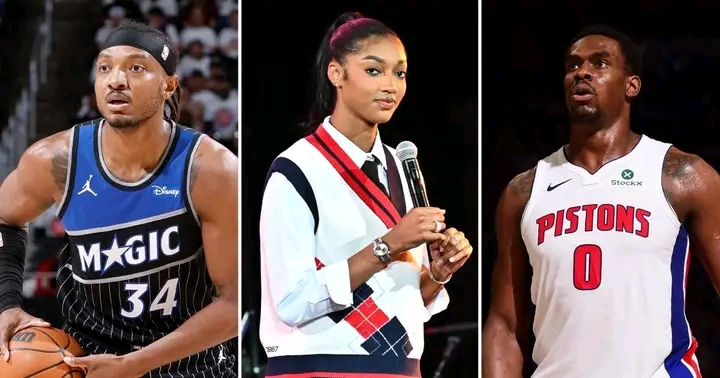
Professional basketball star Angel Reese has once again found herself at the center of online sports chatter after Detroit Pistons fans reportedly trolled her following a playoff elimination involving her boyfriend’s team and a twist of personal rivalry involving her ex.
While none of the parties involved have publicly made the situation a major storyline, social media—particularly basketball Twitter and fan forums—quickly amplified the moment into a trending topic. As is often the case in modern sports culture, on-court outcomes and off-court relationships collided to create a wave of memes, jokes, and heated commentary.
How the Situation Started
The spark came after a recent playoff series in which the team linked to Reese’s boyfriend was eliminated. The defeat itself was already a major talking point among fans, but the narrative took a more personal turn when users began pointing out that the team responsible for the elimination had indirect ties to Reese’s past relationship history.
That connection—whether meaningful or simply coincidental—was enough to fuel online banter. Detroit Pistons fans, known for their vocal presence on social media even during rebuilding seasons, jumped into the conversation with trolling posts aimed at Reese.
Memes, edited highlights, and sarcastic captions circulated quickly, many referencing the idea that “basketball drama doesn’t stay on the court anymore.” While much of the content was lighthearted in tone, some posts crossed into personal territory, drawing criticism from users who felt the situation was being unnecessarily dragged into athlete relationships.
Pistons Fans Join the Conversation
The Detroit Pistons fanbase has been especially active online in recent years, often engaging in banter with fans of other teams and players. In this case, Pistons supporters used the opportunity to insert themselves into an unrelated playoff storyline.
Many of the trolling posts revolved around humor and rivalry culture rather than direct criticism of Reese’s performance as a WNBA player. Some fans joked about “NBA karma,” while others framed the situation as part of a broader sports entertainment cycle where personal narratives become intertwined with team success and failure.
However, as the posts gained traction, a portion of the online community pushed back, arguing that involving Reese in NBA playoff outcomes—especially through her personal relationships—was unnecessary and disrespectful.
The Role of Social Media Amplification
What might have once been a small-scale fan joke has become a viral talking point due to the speed and reach of modern platforms. Within hours, clips and screenshots were being shared across X (formerly Twitter), Instagram, and TikTok, each adding layers of commentary, reaction videos, and breakdowns of the situation.
Sports media personalities and content creators also contributed to the buzz, some analyzing the “intersection of sports culture and celebrity relationships,” while others simply leaned into the entertainment value of the moment.
This type of amplification is not new for Reese, who has consistently been one of the most discussed athletes in women’s basketball. Her confidence, on-court intensity, and strong social media presence have made her both a fan favorite and a frequent subject of online debate.
Why Angel Reese Often Becomes a Target
Reese’s prominence in basketball culture means she is frequently included in broader sports narratives—even those she is not directly involved in. As a high-profile player for the Angel Reese, she has built a strong brand that extends beyond the WNBA court.
That visibility, however, also makes her more likely to be pulled into unrelated discussions. Whether it’s NBA fan culture, college basketball debates, or social media rivalries, Reese is often mentioned as part of larger sports conversations that go far beyond her actual games.
In this case, her personal relationship connections became the entry point for online trolling. While many fans see it as harmless banter, others argue that it reflects a growing trend where athletes’ private lives are used as entertainment content.
The Fine Line Between Banter and Disrespect
Sports fandom has always included rivalry-driven humor, but the boundaries are increasingly blurred in the digital age. What starts as a joke between fanbases can quickly escalate into targeted harassment or personal attacks.
In the current situation, much of the Pistons fan activity appears to have been rooted in typical online banter. Still, critics argue that bringing Reese into NBA playoff narratives—especially through romantic relationships—crosses into unnecessary personal commentary.
Sports analysts have noted that female athletes, in particular, are often subjected to more personal scrutiny than their male counterparts, with social media frequently blending athletic performance with relationship speculation.
Reese’s Public Image and Resilience
Despite the online chatter, Reese has built a reputation for handling criticism with confidence. Throughout her career—from college basketball stardom to her professional journey—she has consistently embraced attention, both positive and negative.
Rather than avoiding the spotlight, she has leaned into it, often using social media to express herself directly. That approach has made her one of the most recognizable figures in women’s basketball, but it also means that moments like this tend to circulate widely.
While she has not publicly responded to this specific wave of trolling, her history suggests she is no stranger to online discourse and fan-driven narratives.
The Bigger Picture: Sports, Fame, and Modern Fandom
The incident highlights a broader shift in sports culture, where athletes are no longer viewed solely through their on-court performances. Instead, their personal lives, relationships, and social media presence are often woven into fan discussions.
For players like Reese, this means that playoff outcomes in one league can unexpectedly trigger reactions in another, especially when fanbases look for narratives that connect different sports worlds.
It also reflects how modern fandom operates: interconnected, fast-moving, and often driven by viral moments rather than official storylines.
Conclusion
What began as a playoff elimination involving unrelated NBA teams quickly evolved into a social media spectacle involving Angel Reese, her personal relationships, and Detroit Pistons fans engaging in online trolling.
While much of the reaction appears to be lighthearted fan banter, it underscores the increasingly blurred boundaries between sports performance and personal life in the digital era.
As Angel Reese continues her career, moments like this are likely to follow her—not because of what happens on her court, but because of how deeply connected modern sports culture has become across leagues, fanbases, and online platforms.
In today’s sports world, it’s no longer just about who wins or loses a game. It’s also about who becomes part of the story afterward.