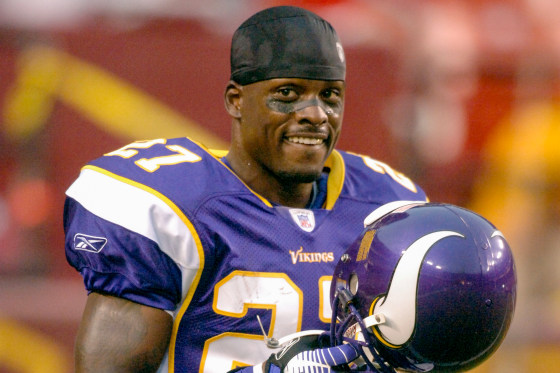
“Former NFL Player Ronyell Whitaker Saves Four Lives Through Organ Donation in Inspiring Final Act”
Ex-NFL Player Ronyell Whitaker Saves Four Lives Through Organ Donation

The world of sports often celebrates moments of victory, resilience, and triumph on the field. Yet, sometimes the most powerful stories emerge far away from stadium lights—stories that speak not of touchdowns or tackles, but of humanity, compassion, and legacy. One such story is that of former National Football League player Ronyell Whitaker, whose final act of generosity after his passing has left an enduring impact far greater than any achievement recorded during his football career.
Whitaker’s decision to become an organ donor ultimately saved four lives, transforming a moment of deep loss into one of hope and renewal. His story has resonated across the sports community and beyond, highlighting the profound difference one individual can make—even after death.
—
A Life Dedicated to Football
Before his name became associated with an inspiring act of selflessness, Ronyell Whitaker was known for his determination and skill as a professional football player. Born with a passion for the game, Whitaker worked tirelessly to carve out a place for himself in one of the most competitive sports leagues in the world.
As a cornerback, Whitaker built his career through grit and perseverance. While he may not have been a household name like some of the league’s biggest stars, his journey represented the reality for many professional athletes—fighting for opportunities, proving their worth, and contributing to their teams in meaningful ways.
Throughout his time in the NFL, Whitaker played for multiple teams, earning respect from teammates and coaches alike. His work ethic and commitment to the sport defined his career, and those who knew him often described him as a dedicated athlete who gave everything he had on and off the field.
But beyond football, Whitaker was also a son, a friend, and a member of a community that would later come together to honor his life in a remarkable way.
—
A Sudden Loss
At the age of 46, Whitaker’s life came to an untimely end, leaving family, friends, and fans in mourning. His passing was a painful reminder of how fragile life can be, especially for individuals who once appeared strong and unstoppable in their athletic prime.
While the circumstances surrounding his death brought sadness, what followed became a testament to the kind of person Whitaker was. Long before his passing, he had made a decision that would ultimately define his legacy—not as a football player, but as a lifesaver.
Whitaker had registered as an organ donor.
This choice, often made quietly and without expectation of recognition, would soon become the foundation of a story that inspired thousands.
—
The Gift of Life
Organ donation is one of the most powerful acts of generosity a person can offer. In Whitaker’s case, that generosity translated into four lives saved.
Following his death, medical teams were able to recover vital organs that were successfully transplanted into patients in critical need. Each transplant represented a second chance—an opportunity for recipients to continue living, to reunite with loved ones, and to pursue dreams that once seemed out of reach.
Reports indicate that Whitaker’s lungs and other organs were used in life-saving procedures, while his heart was donated for scientific research, contributing to future medical advancements. Even in death, Whitaker continued to give, ensuring that his impact would extend far beyond the immediate lives he saved.
For the families of the recipients, Whitaker’s decision meant everything. It turned despair into hope, grief into gratitude, and loss into life.
—
A Family’s Strength and Honor
Behind every organ donation story is a family faced with an incredibly difficult moment. In Whitaker’s case, his loved ones honored his wishes with courage and grace.
Choosing to proceed with organ donation is never easy, especially during a time of intense grief. Yet, Whitaker’s family recognized the importance of his decision and ensured that his final act of kindness was carried out.
Their strength allowed four individuals to receive life-saving transplants—an outcome that speaks not only to Whitaker’s character but also to the compassion of those closest to him.
In many ways, his family became part of his legacy, demonstrating that even in the darkest moments, it is possible to create light for others.
—
The Broader Impact of Organ Donation
Whitaker’s story has reignited conversations about organ donation, an issue that continues to affect millions worldwide. According to global health organizations, thousands of patients remain on waiting lists for transplants, hoping for a donor who can give them a second chance at life.
Despite widespread awareness campaigns, the need for organ donors remains urgent. Many lives are lost each year simply because suitable organs are not available in time.
Stories like Whitaker’s play a crucial role in changing that reality. They remind people that becoming an organ donor is not just a personal choice—it is a powerful opportunity to save lives.
By sharing his story, advocates hope to encourage more individuals to register as donors, ensuring that others can experience the same life-saving outcomes.
—
A Legacy Beyond the Game
For athletes, legacy is often measured in statistics, championships, and records. However, Whitaker’s story challenges that definition.
While his contributions to football were meaningful, it is his final act of generosity that has left the most lasting impression. Saving four lives is a legacy that transcends sports—a legacy rooted in compassion, humanity, and selflessness.
In the days following the news, tributes poured in from across the sports community. Former teammates, fans, and fellow athletes shared messages honoring Whitaker not just as a player, but as a person who made a profound difference.
His story serves as a reminder that true greatness is not defined solely by achievements on the field, but by the impact one has on others.
—
Inspiring a New Generation
Whitaker’s life and legacy have also become a source of inspiration for younger generations. For aspiring athletes, his journey highlights the importance of perseverance and dedication. But beyond sports, his story offers a deeper lesson about the value of giving back.
In a world often focused on individual success, Whitaker’s actions demonstrate the power of thinking beyond oneself. His decision to become an organ donor reflects a mindset that prioritizes the well-being of others—a mindset that can inspire people from all walks of life.
Coaches, mentors, and community leaders have already begun using his story as a teaching moment, encouraging young people to consider how they can make a positive impact in their own communities.
—
The Human Side of Sports
Sports have a unique ability to bring people together, creating moments of shared joy and excitement. However, stories like Whitaker’s reveal another side of athletics—the human side.
Behind every athlete is a story of struggle, growth, and personal values. Whitaker’s journey reminds us that athletes are not just performers on a stage; they are individuals capable of extraordinary acts of kindness.
His story also highlights the role of sports as a platform for raising awareness. By drawing attention to organ donation, Whitaker’s legacy extends beyond the football field, influencing conversations that can lead to real change.
—
A Call to Action
While Whitaker’s story is deeply inspiring, it also carries an important message: more people are needed to step forward as organ donors.
Becoming a donor is a simple process in many countries, often involving registration through official health organizations or driver’s license programs. Yet, the impact of that decision can be life-changing.
For those who have never considered organ donation, Whitaker’s story offers a compelling reason to do so. It shows that even in the face of loss, it is possible to create hope for others.
By choosing to become a donor, individuals can ensure that their legacy includes the gift of life—a gift that, as Whitaker demonstrated, can save multiple lives.
—
Remembering Ronyell Whitaker
As the world reflects on Whitaker’s life, it is clear that his story will not be forgotten. His journey—from a determined football player to a hero who saved lives—serves as a powerful example of what it means to leave a lasting impact.
For the four individuals who received his organs, Whitaker is more than a name; he is a reason they are alive today. For their families, he represents hope, gratitude, and a future that might not have been possible otherwise.
And for everyone who hears his story, Whitaker stands as a reminder that one decision can change everything.
—
Conclusion
The story of Ronyell Whitaker is not just about football, nor is it solely about loss. It is a story about life—about the power of compassion, the importance of giving, and the incredible difference one person can make.
In saving four lives through organ donation, Whitaker achieved something far greater than any athletic accomplishment. He left behind a legacy of hope, one that continues to inspire people around the world.
As conversations about organ donation continue, his story will undoubtedly play a role in encouraging others to take that important step. And in doing so, his impact will grow, touching even more lives in ways that words alone cannot fully capture.
In the end, Whitaker’s legacy is simple yet profound: even in death, it is possible to give the ultimate gift—the gift of life.