Steph Curry returns from injury with 29 points but Warriors lose to Rockets
Steph Curry returns from injury with 29 points but Warriors fall short against Rockets
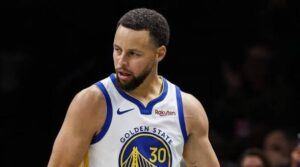
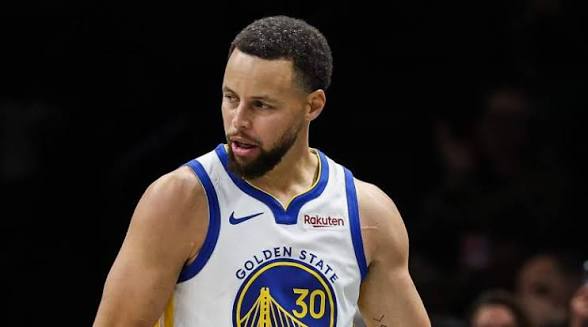
The return of Stephen Curry to the lineup for the Golden State Warriors was meant to be a night of celebration. After a spell on the sidelines due to injury, fans were eager to see their star guard back in action, rediscovering his rhythm, leadership, and scoring touch. And while Curry delivered an impressive individual performance with 29 points, it was not enough to secure victory as the Warriors were defeated by the Houston Rockets in a hard-fought contest.
The game carried emotional weight beyond the scoreboard. Curry’s return alone shifted attention across the arena and basketball world, with expectations high for a statement comeback. Instead, the night became a reminder of how competitive the league has become and how difficult it can be for even elite performances to guarantee a win.
A highly anticipated return
Coming into the game, all eyes were on Curry. His injury absence had left a noticeable gap in the Warriors’ offensive structure, rhythm, and confidence. Golden State had struggled at times without their floor general, relying heavily on secondary scorers and defensive adjustments to stay competitive.
The return of Curry changed the atmosphere immediately. From warm-ups, there was a sense of urgency and excitement. Fans expected not just participation, but impact—and Curry delivered exactly that from the opening minutes.
His shooting form looked sharp. His movement off the ball remained elite. Even more importantly, his presence forced the Rockets to adjust their defensive scheme, often sending two defenders or switching aggressively on screens to limit his space.
Despite the defensive pressure, Curry still managed to find his rhythm.
—
First half: Rust, rhythm, and resilience
The first quarter was a mixture of patience and adjustment. Curry did not rush his shots. Instead, he worked within the Warriors’ system, allowing teammates to initiate plays while he tested his conditioning and timing.
Early on, he hit a couple of trademark three-pointers that immediately reminded everyone why he remains one of the most dangerous shooters in basketball history. However, there were also signs of rust—slightly mistimed passes, moments of hesitation, and a visible effort to pace himself physically.
The Rockets, on the other hand, came into the game with energy and aggression. Their young core pushed the pace, attacking the rim and forcing Golden State into early defensive rotations. This strategy paid off, allowing Houston to build momentum and confidence as the first half progressed.
By halftime, the game remained close, but the Rockets held a slight edge. Curry had already reached double digits in scoring, but it was clear the Warriors needed more than just his individual brilliance to take control.
—
Third quarter: Curry takes over
If there was a moment where the game felt like it could swing, it was the third quarter.
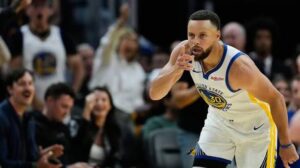
Curry began to heat up in classic fashion. A deep three-pointer from well beyond the arc ignited the crowd. A quick pull-up jumper in transition followed. Then another three, this time off a screen, barely giving the defender time to react.
In a matter of minutes, Curry had turned a quiet comeback game into a showcase of his scoring ability. His 29-point total was built on efficiency, creativity, and the kind of shot-making that has defined his career.
The Warriors briefly took the lead during this stretch, and momentum seemed to shift. The offense flowed better, ball movement improved, and defensive energy increased as the team fed off Curry’s surge.
However, the Rockets refused to fold.
—
Houston’s response and physical dominance
The Rockets countered with physicality and depth. Their guards attacked Curry whenever possible, forcing him to work harder defensively after long offensive possessions. Inside, Houston controlled key rebounds and second-chance opportunities, slowly chipping away at Golden State’s momentum.
One of the defining factors of the game was Houston’s ability to exploit mismatches. While Curry’s offensive brilliance kept the Warriors competitive, the Rockets consistently targeted other defensive matchups, drawing fouls and creating high-percentage shots near the rim.
Their bench also played a crucial role, providing scoring bursts that stabilized their lead whenever Golden State threatened to pull away.
—
Fourth quarter: fatigue and missed chances
By the final quarter, the intensity of Curry’s return began to show. While his skill level remained high, the physical toll of returning from injury was evident. His movements were slightly less explosive, and his defensive rotations required more effort.
Still, he continued to fight.
Curry added key baskets late in the game, including a difficult contested three-pointer that brought the Warriors within striking distance. The arena erupted, sensing another classic comeback moment in the making.
But the Rockets responded with composure. Critical possessions ended in successful shots, while Golden State missed a few crucial opportunities that could have shifted momentum.
Turnovers at key moments proved costly. A missed defensive assignment here, a rushed shot there—small details that ultimately made the difference in a tight contest.
Final minutes: Houston closes it out
In the closing minutes, the Rockets maintained control through disciplined offense and strong execution. They slowed the pace, forced the Warriors into difficult defensive decisions, and made free throws when it mattered most.
Curry continued to push, but the gap proved too difficult to close. Despite his 29-point performance and several highlight plays, the Warriors ultimately fell short.
The final buzzer confirmed a frustrating but instructive result: a strong individual return overshadowed by team shortcomings.
—
What Curry’s performance means
Even in defeat, Curry’s return was significant for several reasons.
First, his scoring ability remained intact. A 29-point outing after injury is a strong indicator that his shooting rhythm and confidence are still elite. Few players in the league can return from time away and immediately produce at that level.
Second, his impact on spacing was immediate. The Warriors’ offense visibly opens up when Curry is on the floor, creating better looks for teammates and forcing defensive adjustments that no other player on the roster can replicate.
Third, his leadership presence was clear. Throughout the game, he directed plays, communicated defensive assignments, and kept the team engaged during momentum swings.
However, the game also highlighted an important reality: even elite individual performances require full team cohesion to translate into wins.
—
Warriors’ bigger concerns
For the Warriors, the loss raises several strategic questions.
Without consistent support scoring, the burden on Curry becomes heavier. While he can carry offensive stretches, sustainable success requires balanced contributions from the roster.
Defensively, the team struggled to contain Houston’s penetration and rebounding pressure. These weaknesses became more visible in high-pressure moments, particularly late in the game.
Additionally, managing Curry’s minutes and physical load will remain critical as the season progresses. Returning from injury is not just about scoring—it’s about maintaining durability over a long stretch of games.
—
Rockets’ statement win
For Houston, the victory was meaningful. Beating a team led by Curry is always a significant achievement, but doing so while containing his scoring outbursts adds confidence for their young roster.
Their defensive strategy—mixing pressure, switching schemes, and forcing secondary players to make decisions—proved effective. Offensively, they displayed balance, with multiple contributors stepping up when needed.
It was a win built on energy, discipline, and execution.
—
Looking ahead
For the Warriors, the focus now shifts to consistency and integration. Curry’s return strengthens the team significantly, but chemistry and rhythm will take time to rebuild.
For Curry himself, the performance is encouraging. A 29-point return suggests that his injury has not diminished his scoring capability, and with more games, his conditioning and timing will likely improve further.
.
The NBA season is long, and moments like this often serve as turning points rather than final judgments.
—
Conclusion
The night belonged to mixed emotions. Stephen Curry reminded everyone of his brilliance with a 29-point performance in his return for the Golden State Warriors, but the final result belonged to the Houston Rockets, who executed better in crucial moments.
It was a game that showed both the power of individual greatness and the importance of collective execution. For Curry, it was a strong step forward. For the Warriors, it was a reminder that one player—even one of the greatest shooters in history—cannot win alone.
The season continues, and with Curry back, Golden State still has time to build momentum.